Warmth Where the Wind Sings
Today we dive into designing off-grid alpine cabins with low-tech comforts, focusing on practical decisions that make winter nights quiet, safe, and deeply cozy. From siting and structure to heat, water, and light, you will learn choices that favor simplicity, resilience, and beauty, inviting conversation and shared experiments.

Reading the Mountain: Site, Weather, and Safety
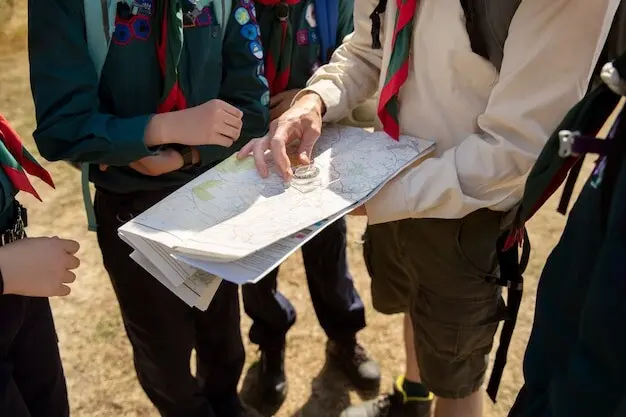
Before a single board is cut, the landscape tells a story about wind, snow, sun, and risk. Learn to read avalanche paths, flagging trees, cornice shadows, and winter sun angles, then place shelter where drifts ease, water stays dependable, and access remains possible without machinery or constant struggle.

Walls That Breathe Warmth: Envelope, Insulation, and Air
In thin air, energy thrift becomes comfort. Build thick, wind-tight shells with generous insulation while keeping assemblies vapor-open to the outside. Pair careful air sealing with deliberate fresh air paths, so moisture leaves, oxygen arrives, and every candle, nap, and story unfolds within steady, quiet temperatures through darkest months.
Heat You Can Feel: Fire, Mass, and Sun
Comfort begins with steady radiant warmth that dries boots and settles nerves. Favor a compact footprint, tight shell, and generous south glass balanced by shutters. Combine a masonry heater or rocket mass bench with sun-warmed floors, so a short, clean burn radiates hours later while dawn light continues the work.
The Heart: Masonry Stove or Rocket Mass Bench
These simple, proven systems burn hot and fast, storing heat in brick, stone, or cob that releases gentle warmth for many hours. A built-in bench invites reading, drying socks, and unhurried tea. Maintain clearances, a clean chimney, and good makeup air, and they will repay attention with reliability.
Thermal Mass That Remembers Sunshine
Place dark, dense surfaces where low winter rays linger: earthen floors sealed with oil, interior stone walls, or water crocks tucked beside windows. Mass evens daily swings, protects pipes, and keeps mornings kind, reducing fuel needs without gadgets, noise, or constant tending when storms pin everyone indoors.
Gravity Does the Pumping
Roof catchment fills a protected cistern uphill, sending water to the sink with nothing but head pressure. Route lines inside insulated walls, add a bypass for winter draining, and install a simple hand pump as backup, so tea and washing never depend on charged batteries or thawed valves.
Clean, Hot, and Enough
Wrap soft copper around the stove flue for a thermosiphon loop into a small tank, mixing by hand to safe temperatures. Bathe from a wooden tub or stand in a basin. Ration with delight, planning joyful rinses after ski tours rather than wasteful showers that strain water and fuel.
Sanitation That Respects the Slope
Choose a dry composting approach with urine diversion, insulating the chamber and managing active breakdown during warmer months. Keep graywater shallow, filtered through gravel and mulch under snow-safe cover. Site everything far from springs and rivers, so the hillside stays healthy and neighbors feel your care for decades.
Low-Tech Light, Power, and Communication
Nights stretch long at altitude, but comfort grows from quiet glow and tiny, dependable power. Mix oil lamps, reflective sconces, and a pocket solar panel charging headlamps and radios. Keep wiring simple and direct current, and plan check-ins with friends, maps, and notes the mountain weather cannot erase.

Light the Night Without Noise
Use beeswax candles in glass chimneys and hang polished metal behind them to double brightness. Place lamps low for reading and high for chores, borrowing snowy ground’s reflectance through windows. Train habits around flame safety, and the cabin hums with warm, steady light that asks almost nothing.

Tiny Solar That Earns Its Keep
A single modest panel, charge controller, and small battery can power task lights and top up phones for mapping. Keep everything twelve-volt, skip inverters, and mount devices near windows. Maintain spares for fuses and cables, and you will rarely notice clouds beyond a slower afternoon charge.

Signals When It Matters
Agree on a contact schedule with friends in the valley, leaving route plans at the trailhead and on the table. Keep a wind-up radio and paper maps. Flags, whistles, and chalk notes on the woodpile communicate needs when electronics sleep, stormbound and irrelevant under deepening snow.
Furniture, Storage, and Everyday Comforts
Fit a fold-down table under a window, ladder bunks along a warm wall, and deep drawers under every bench. Peg rails carry tools and cups, while a sliding pantry keeps staples mouse-safe. Simple joinery and local timber age gracefully, gathering nicks that become stories guests retell with smiles.
Hang wool curtains from ceiling tracks to trap heat, roll out thick rugs on cold floors, and add tapestry panels behind beds to soften radiant chill. Quilts, sheepskins, and knitted throws change the room’s acoustics and your mood, inviting naps and long talks after wind-chased days.
Create a mudroom with slatted benches, a grated floor over a drain to daylight, and hooks in double rows for wet gear. A boot scraper outside, broom by the door, and a tin for mittens keep slush orderly, protecting floors and tempers when friends arrive laughing and dripping.

All Rights Reserved.