Finding Your Line: Paper Maps and a Compass in the Alps

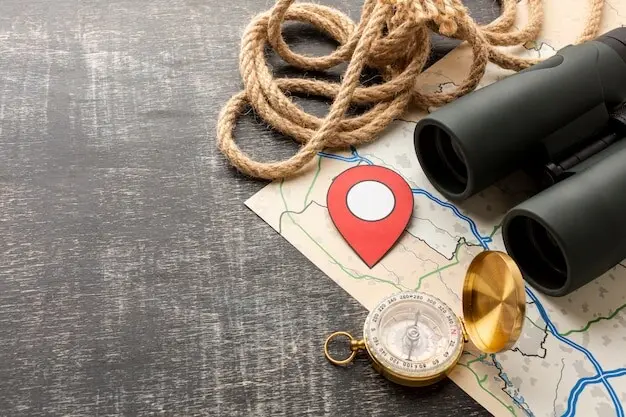
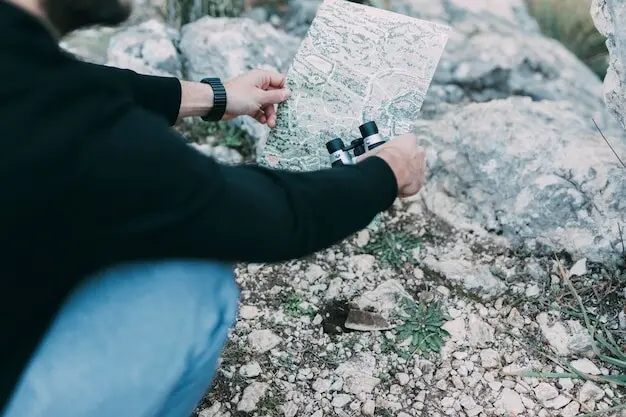
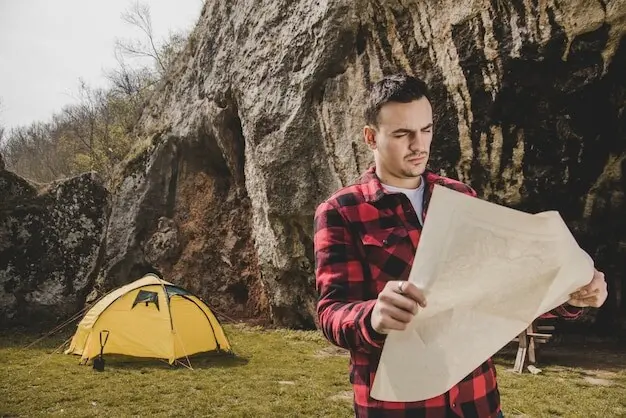
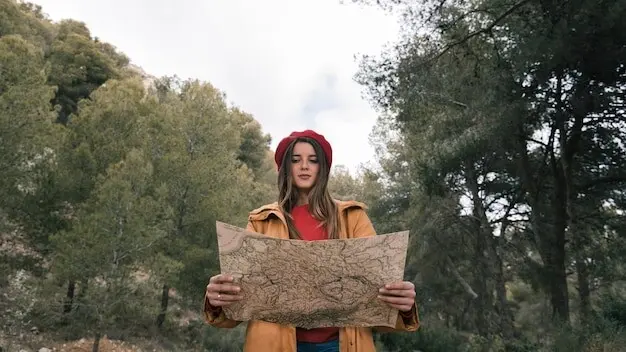
Step onto the ridgelines with confidence as we explore navigating the Alps using nothing more than paper maps and a compass. You will learn practical techniques, hear trail-tested stories, and gather decisions you can rely on when batteries fade, storms roll in, and every contour matters.

Scales and Contours That Reveal the Mountain's Shape

Choose 1:25,000 when precision matters on complex ridges, gullies, or glacier benches; favor 1:50,000 for broad planning and linking huts. In Switzerland, 10‑meter contours on detailed sheets expose subtle ramps; 20‑meter lines on overview maps smooth danger. Count lines to gauge ascent, note form lines around cliffs, and sketch profiles to preview labor.

Symbols Across Borders: SwissTopo, Alpenverein, IGN, Kompass

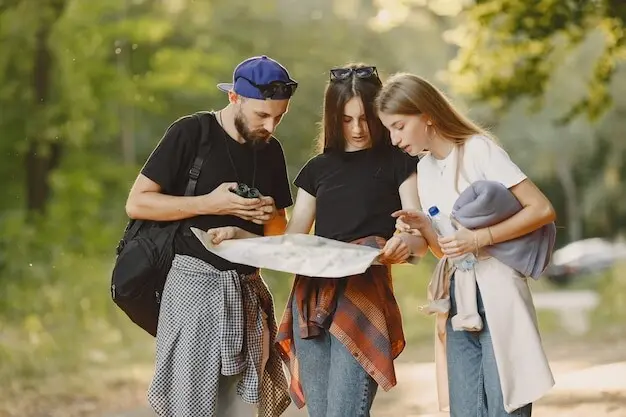
Legend differences change decisions. SwissTopo marks scree, ladders, and glacier boundaries with crisp shading; Alpenverein sheets highlight via ferrata grades; IGN emphasizes rights of way; Kompass simplifies for hikers. Before departure, study each legend, compare hut icons, path classifications, and rock features, then annotate your sheet so surprises arrive only as views, not route-finding shocks.
Reading the Ground: Ridges, Cols, Cirques, and Moraine

Train your eyes to see landforms in lines. Tight contours and blue hatching announce bergschrunds; horseshoe curves cradle cirques; evenly spaced lines along a ridge promise steady effort; broken rock symbols warn of rotten gullies. Trace handrails like rivers and arêtes, pick catching features, and imagine how melting snow reshapes crossings after noon.

Compass Confidence Above the Treeline

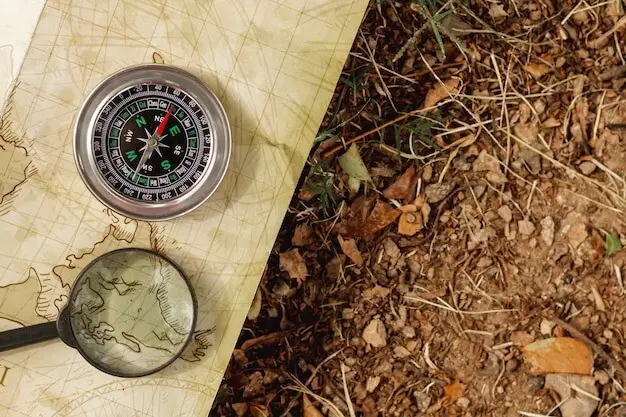
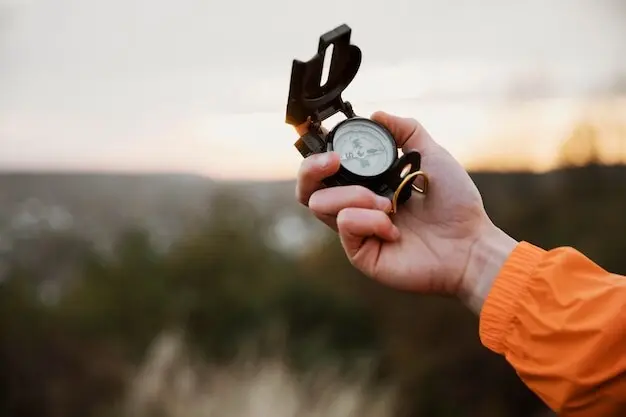
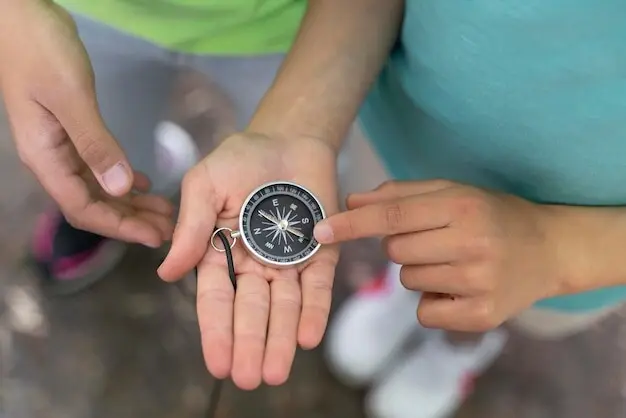
Steel and magnetism still matter where GPS stumbles. The Alps currently trend a few degrees east in magnetic declination, often between two and five, shifting slowly each year. Adjust once, set a bearing, and walk with disciplined legs, correcting drift with terrain checks so your line survives wind, scree, and excitement.

Planning Routes That Respect Elevation and Weather

Good days begin on paper. Lay out conservative options that match fitness, snowpack, and daylight, noting escape valleys and hut timings. Estimate effort with time-tested rules, check exposures, and imagine shaded gullies holding ice. Build margins around big crossings, and write checkpoints you can verify without electronics when fingers are cold.

Slope Aspect Checks with Map and Compass

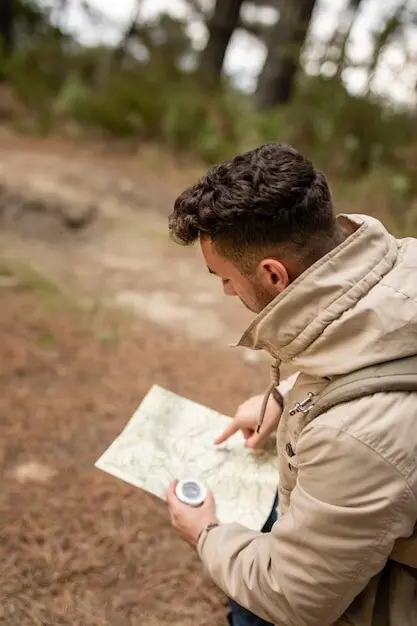
Align the compass with a fall line, read aspect, and match it to map contours to confirm position when landmarks vanish. Combine with elevation from an altimeter and the known direction of travel. This triangulation of humble data points builds confidence even when visibility shrinks to the length of your arm.

Safe Travel on Glaciers When Landmarks Disappear

Switch to measured legs and clock, maintain consistent spacing, and probe questionable bridges deliberately. Bearings guide direction while crevasse awareness shapes the line. Mark progress on the map at timed intervals, then stop to reassess if drift appears. Turning around early beats gambling where rescues are complicated and hours from roads.

A Story from a Cloud-Wrapped Pass

One September afternoon above a Tyrolean hut, cloud poured over the col like slow surf. Our phones died cold inside pockets, but the paper stayed brave. With a four-degree correction we threaded benches between two moraines, found a cairn by bearing, and reached soup, laughter, and a bunk before night.

Decisions, Safety Nets, and Community Wisdom

Route-finding is leadership. Build turnaround times, commit emergency numbers to memory, and talk expectations before leaving trailheads. Pair paper with redundancy like a whistle, headlamp, and spare gloves. Respect avalanche bulletins, thunder forecasts, and rockfall windows. Then come back and share what worked so the next traveler starts luckier than you did.
Toratelipalosiranexodavo
Privacy Overview

This website uses cookies so that we can provide you with the best user experience possible. Cookie information is stored in your browser and performs functions such as recognising you when you return to our website and helping our team to understand which sections of the website you find most interesting and useful.