Grain, Graphite, and High Country Days
Join an adventurous journey documenting mountain life through film photography and field sketchbooks, blending tactile negatives with windswept lines to honor shepherds, climbers, dawn frost, and alpine kitchens, while sharing practical techniques, heartfelt stories, and rituals that keep creativity warm at altitude.
Packing Light, Working Slow
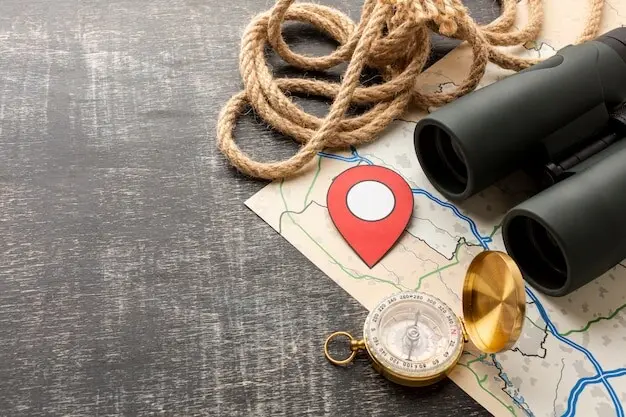
Discover how to balance rugged reliability with humane pack weight when carrying analog cameras, lenses, film, and sketching tools. We compare weatherproof pouches, minimalist tripod options, glove-friendly notebooks, and field rigs that let you pause safely, observe deeply, and still move efficiently across steep terrain.
High-altitude sun over snow can trick meters and bleach nuance. We compare Portra 400, Ektar 100, and Tri‑X pushed for storms, discuss yellow and polarizing filters, note reciprocity quirks on long exposures, and share bracketing habits that preserve texture in shadowed gullies and wind-sculpted drifts.
Cold breath condenses on cheap paper, so we test cotton rag, toned sheets, and waterproof notebooks that accept graphite without smearing. Learn why 2B leads bite through gloves, how fixatives travel, and which bindings survive pack compression, sleet, and quick sketches balanced on trekking poles.
Reading Mountain Light
Light in the high country shifts faster than footsteps. Learn to pre-visualize exposure as clouds ricochet across ridgelines, anticipate snowfield reflectance, lean on incident metering, and use sketch notes to map tonal transitions so your negatives and drawings echo the landscape’s living tempo.
Fieldcraft for Creators at Altitude
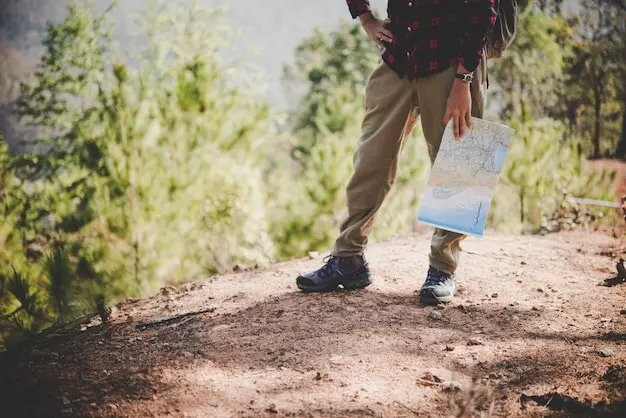
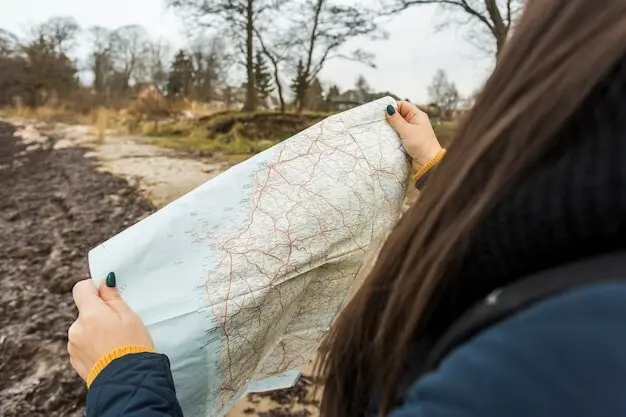
Art thrives when safety and comfort are quietly solved. We focus on foot placement while framing, micro-pauses for breath at switchbacks, layering systems that keep fingers nimble, and simple checklists that prevent costly mistakes when storms, cliffs, and curiosity collide on narrow paths.
Narrative Alchemy: Images with Inked Margins
Sequencing That Breathes Like Weather
Arrange prints so rhythm mirrors wind gusts and lulls. Alternate tight portraits with wide breathing spaces, layer notebook fragments that hint at offstage sounds, and use repeat motifs—mug, bell, rope—to create continuity without dullness, inviting viewers to inhabit a day, not just observe it.
Sketches as Bridges Between Frames
When a roll skips a moment—bread kneaded, dog shaking snow—your drawing closes the gap. Annotate materials, scents, and temperatures, then print small alongside photographs, letting rough marks act as connective tissue that keeps memory tactile, credible, and warmly human.
Handwritten Captions with Local Voices
Invite herders and cooks to read drafts and add words in their handwriting. These annotations bring cadence, humor, and specificity that cameras alone miss, turning a document into a shared celebration where ownership and respect are carried in every line.
Developing with Scarce Water
Mountain huts offer exquisite views and limited sinks. We share low-volume inversion routines, reusable stop alternatives, careful chemical transport, and patient drying with dust covers, protecting emulsions while honoring the place by minimizing waste, noise, and late-night drips in communal spaces.
Scanning that Keeps Texture Honest
Flatbeds can love paper but struggle with dense negatives; DSLR rigs excel at crisp grain. We compare both, add polarization for sketch glare, and explain sharpening restraint so viewers feel wind in grass, not artifacts from overzealous sliders and algorithms.
Archiving That Welcomes Future You
Marry sleeves, contact sheets, and sketchbooks into one box with dates, GPS notations, and weather tags. Build finding aids you will actually use, and create backup scans, so revisiting a winter kitchen or a summer pasture becomes effortless, accurate, and joyful.
The One-Roll Morning
Load a single roll at dawn, commit to twelve or thirty-six frames, and slow to mountain pace. Your sketchbook catches scenes the frames cannot hold, while scarcity teaches patience, close listening, and gratitude that echoes through editing and sharing later.
Five-Minute Ridge Sketches
Set a timer beside flapping jacket sleeves and record only large shapes, wind vectors, and a single note about smell. These limits sharpen observation, free you from fussing, and give raw energy that pairs beautifully with deliberate, tripod-mounted frames.
Evening Edits by Headlamp
After supper, spread contact sheets and pages beside a lantern. Mark keepers, circle questions, and write tomorrow’s hunches while sounds of the hut continue. Reflection here binds the day’s sensations to intent, guiding what you seek at first light.
Printing Tiny, Speaking Intimately
A small format invites hands to hold and eyes to linger. Combine contact prints with translucent sketch overlays and handwritten maps, then trade them in huts for stories and addresses, building a network of neighbors who recognize themselves within your pages.
Pop-Up Walls and Café Corners
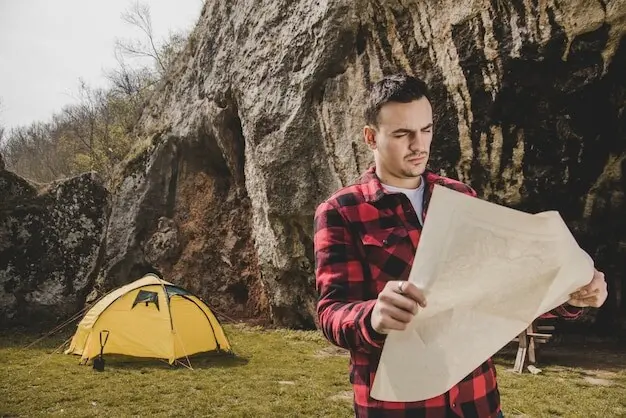
Carry bulldog clips, a few strings, and clothespins. In minutes, a bare wall becomes a breathing gallery where steam from cups rounds the prints and conversations bloom. Ask for feedback, collect notes, and invite collaborations grounded in shared mountains.
A Newsletter You Can Hike With
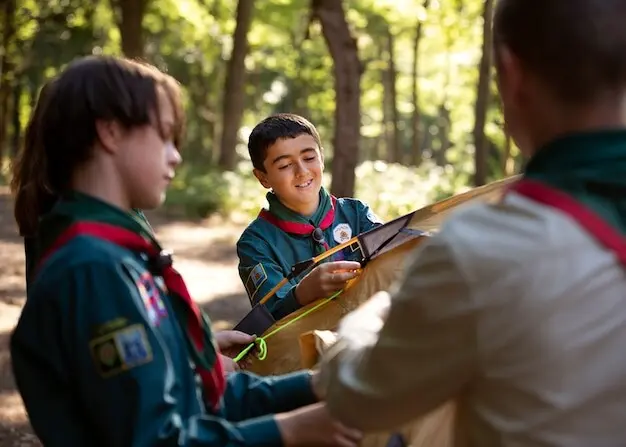
Keep updates light, printable, and practical: trail notes, contact-sheet peeks, short lessons, and open questions. Encourage subscribers to reply with their own sketches and frames, building dialogue that improves everyone’s craft and strengthens the fragile thread between valleys.
All Rights Reserved.