
High Trails, Quiet Hands
Reading the Mountain Before You Pick
Altitude, Aspect, and Wind
Elevation bands change plant chemistry and timing, while slope direction governs thaw, moisture, and scent intensity. Taste improves when you harvest on airy, dry afternoons, away from dust and traffic. Chart your observations with pencil notes, small sketches, and dates, building a local memory that outperforms apps because your senses, footsteps, and patience calibrate themselves to the mountain’s reliable, repeating cues.
Leave What You Love to See Again
Take only generous stands and never the first plant you spot; let your eye confirm abundance across distance and time. Snip above nodes, scatter flower heads where wind can carry seed, and keep roots grounded. That restraint becomes tomorrow’s gratitude, ensuring children, ptarmigan, and bees meet the same resilient patch, and that our jars carry stories, not scarcity or regret.
A Map, a Pencil, and a Slow Morning
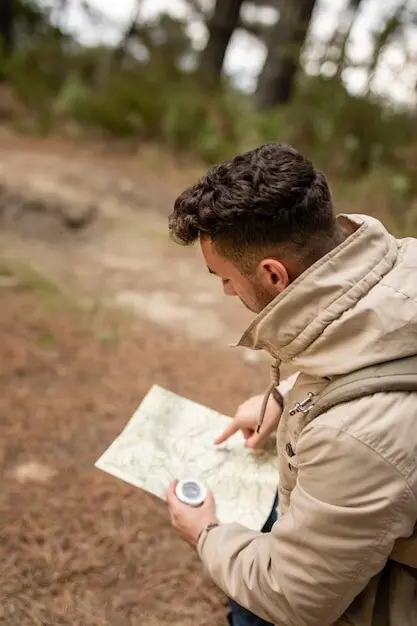
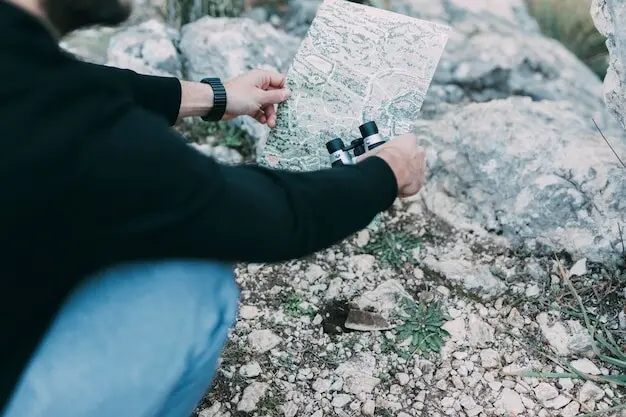
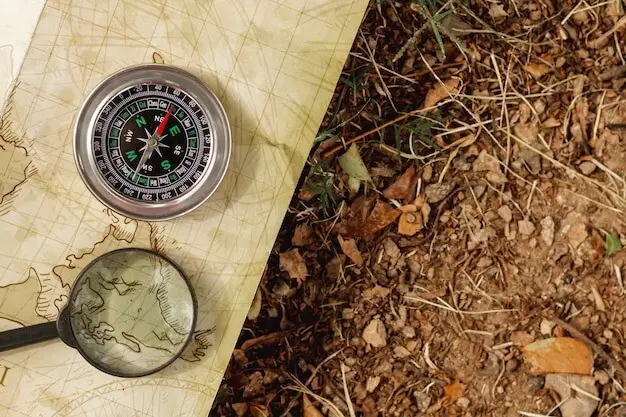
Skip batteries and start with folded paper, contour lines, and a calm pace. Note where snow lingers longest, where sheep graze, and which gullies funnel scent like hidden chimneys. Waiting quietly often reveals pollinators and shade patterns, helping you choose respectful cutting points. This unhurried approach keeps both hands free for careful harvesting and your mind open to changing conditions.

Alpine Thyme and Its Pebbly Perfume
Gentian Root: Bitter Teacher, Powerful Responsibilities
Gathering Without Gadgets: Field Craft
A Knife, a Basket, and Breathable Cloth
Favor a folding blade that holds an edge, a willow basket that breathes, and muslin or paper to separate species. Avoid plastic that sweats and steams delicate leaves. Tie bundles loosely so air moves easily, and keep shadows over your haul. This simple kit weighs little, lasts decades, and reminds hands to move thoughtfully instead of hurriedly stuffing bags.
Cleaning in the Wind, Not the Tap
Rinsing leaches aroma and invites mold during slow drying. Instead, shake gently, tap stems together, and use a soft brush to tease out grit. If mud insists, trim it away and compost the stubborn bits. Lay herbs on cloth so stray insects wander off alive. Your patience becomes sanitation, and mountain breezes supply the only purifier truly needed.
Drying and Storing the Old-Fashioned Way
Salt, Honey, Vinegar: Preserving Fresh Character

Evening Tisanes for Thin Air Recovery
Alpine Herb Salt on Simple Suppers

All Rights Reserved.